The 20 essays in “Christianity in China from the 18th Century to the Present,” edited by Daniel H. Bays (1996), were presented in two symposia held in Kansas in 1989 and 1990.
The thrust of these essays is that Christianity, despite the adverse publicity put out by detractors of the Chinese government, has been putting down roots within Chinese society and is in the process of becoming a Chinese religion, as Buddhism did centuries ago.
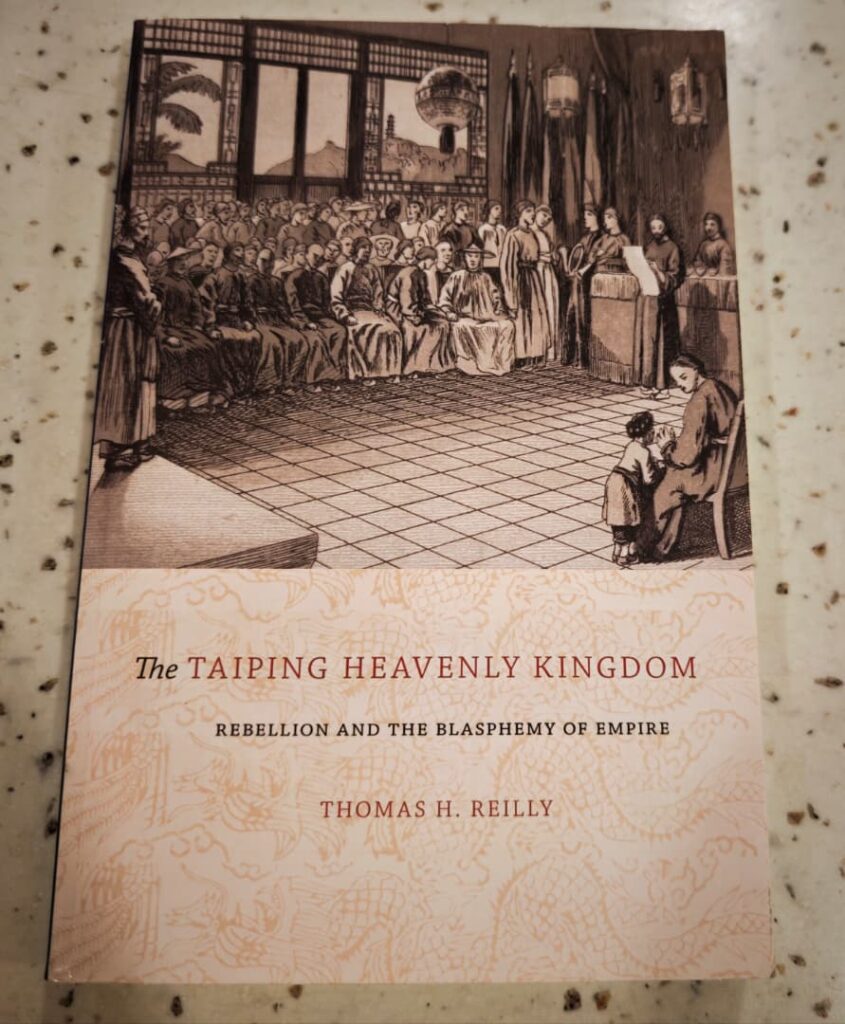
This is not surprising, as Thomas H. Reilly in The Taiping Heavenly Kingdom (2004) has posited that the Christianity preached by Hong Xiuquan was no longer a Western religion and had developed into a dynamic Chinese religion. (P 4).

The book Jesuit Mission and Submission by Lilian Swen (2021) narrates that the Chinese Qing government under Kangxi had always allowed the Jesuits in court and treated them as a trusted part of the imperial circle.
The Jesuit mission only failed when Pope Clement XI in 1704 prohibited Chinese rites in Christianity. The rites were honouring Confucius and ancestors.
This led to Yongzheng banning Christianity from China. However, despite the ban, it was never really enforced strictly, as the ruling elites realised that these Christians were never a threat to the central government; they went about worshipping peacefully.
The groundbreaking research presented in Religious Change in Post-Mao China by Sun Yan Fei (2026) shows that Protestantism is now the fastest-growing religion in post-Mao China.
LWH, Chinese New Year 3rd day, 2026