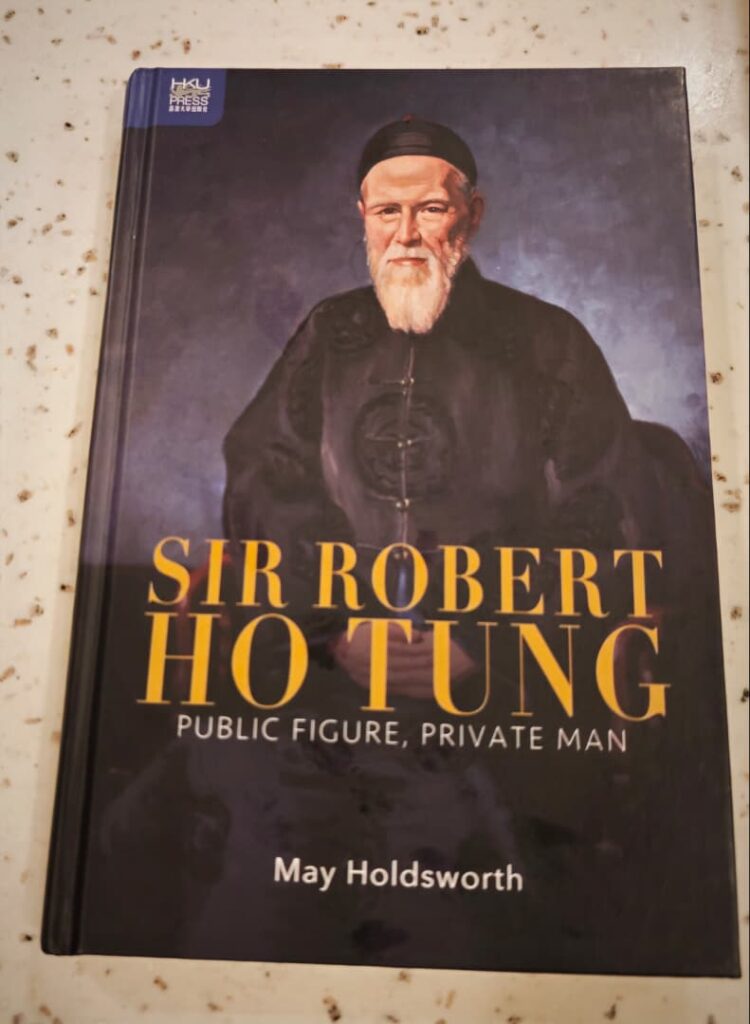
The biography by May Holdsworth (2022) is noteworthy in two aspects.
Firstly, she highlighted that Ho Tung was the person who put forward the idea to use the indemnity of 200 million, forced upon China due to the Boxer rebellion, for the building of railroads and other improvements in China to be owned and operated by the foreign powers until the full investment is recovered. (P 96 hardcopy).
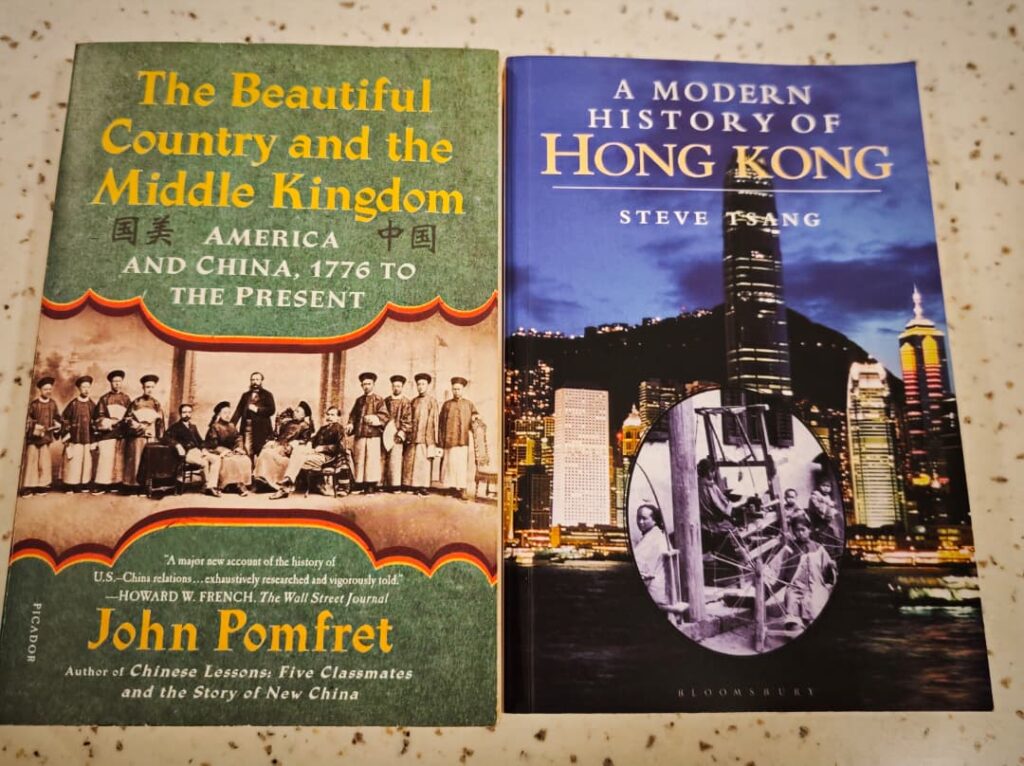
This compromised suggestion by Ho Tung, which was highlighted in an editorial of the New York Times, is not mentioned in several books on the Boxer Rebellion that I have read, including The Beautiful Country and the Middle Kingdom by John Pomfret and A Modern History of Hong Kong by Steve Tsang (the narrative in this book should be read with caution, as he is an avowed Anglophile).
A second aspect is the fact that Ho Tung is the first non-European allowed to stay at the Peak.
He obtained special exemption from the Peak District Reservation Ordinance, which was passed in 1904 to make the Peak the exclusive enclave for Europeans.
He and his family bought and stayed at three houses at the Peak in 1906. (P 60).
Many years later, Soong Mei Ling was similarly granted exemption from the law to live at the Peak in the late 1930s.
I have read previously that she was the first Chinese to be allowed to set foot in and live in the Peak. To the extent that Ho Tung is a Eurasian and not Chinese by blood, the author is correct.
She stayed at the houses belonging to Ho Tung. It is a pity Holdsworth did not touch on the interactions between Ho Tung and her.