
Below is a note I sent on Christmas Day, 25 Dec 2011, to my lawyers from Mount Fuji, Japan, while on tour.
Merry Christmas from Fuji-san, Japan
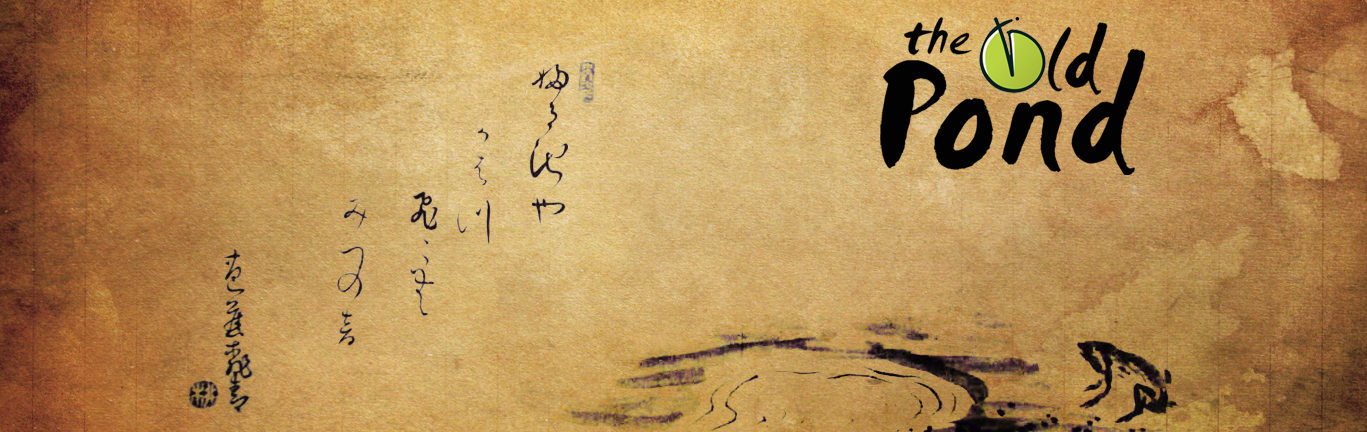
When Japan’s greatest haiku poet, Matsuo Basho, was in his mid-forties, he experienced what we now call a “mid-life crisis” and decided to walk the roads of Japan in 1689, traversing the villages and mountain temples of Japan’s Northern Interior.
Basho kept a travel diary. This diary, Oku-no-hosomichi, is now one of the most revered books in Japanese literature. This is because it was written in prose and haiku and alluded to allusions, quotations, or paraphrases from Du Fu, Tale of Genji, Chuang Tzu, etc. (See Oku-no-hosomichi translated by Sam Hamill, p. xxii).
Posers –
1) The diary is called Oku-no-hosomichi. Give the English title.
2) Basho follows the teachings of the ninth-century Zen master Te-shan: “No mind in work, no work in mind.” What is this teaching?

San Guo Part 23
Honor and loyalty are virtues stressed in the Three Kingdoms saga.
Yuan Shao was defeated by Cao Cao in the Battle at Guandu in AD 200 because he ignored the advice of Tian Feng. Yuan Shao was humiliated and ordered Tian Feng killed.
Tian Feng, upon hearing the order, said, “It is no surprise. A man of honor takes his stand in the wide world between Heaven and Earth. If he chooses the wrong lord, he is responsible for his ignorance. I can face death today. Despair is pointless.”
(P. 238, chapter 31, Moss Roberts)
LWH @ Mount Fuji, Honshu Island, Japan
Christmas Day, 25 Dec 2011.