Mao the scholar
Most people are under the impression that Mao is a coarse and illiterate leader, perhaps because of his round and big Hunan facial features. That…
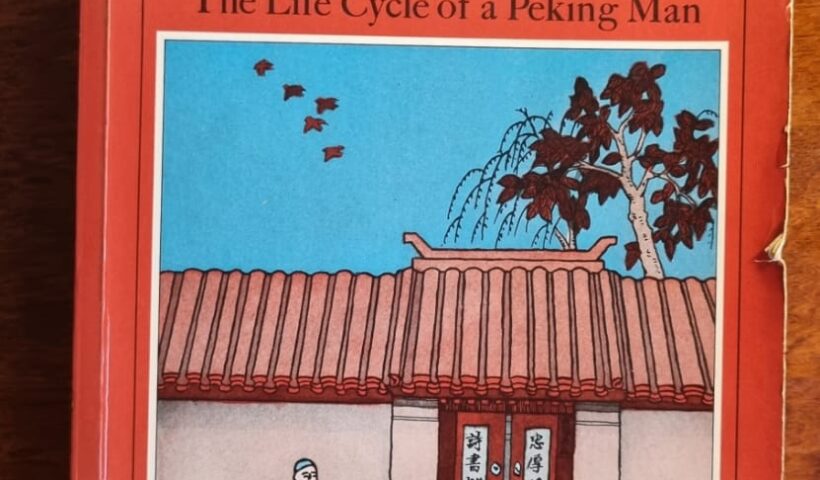
In Peking, 1939: Lu Hsing Yuan (HY Lowe) described how the Ghost Festival was celebrated in Peking in one of his installments in the English…
View More The Hungry Ghost Festival – Part 1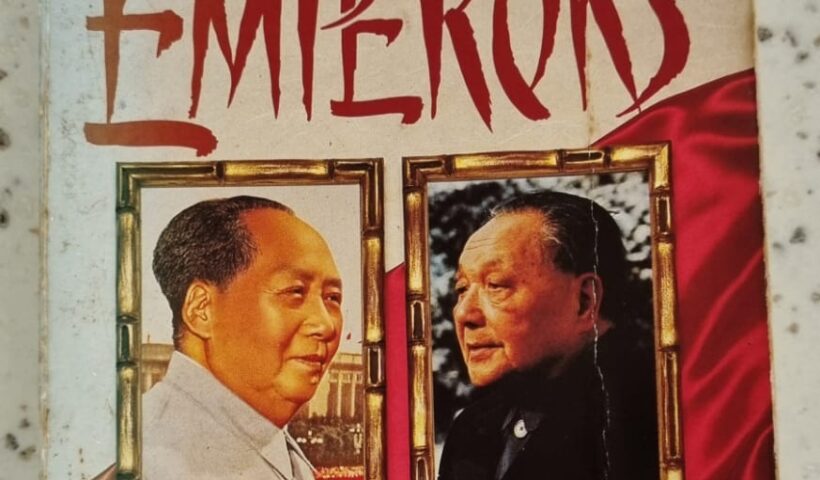
Who prevented the Gang of Four from seizing power? When Mao died in 1976, it would appear to many that his wife Jiang Qing and…
View More Behind the Fall of the Gang of Four
South of the Yangtze evokes a mythical place in Chinese culture. The Chinese call the area Jiangnan ( literally, south of the Yangtze) river. It…
View More Jiangnan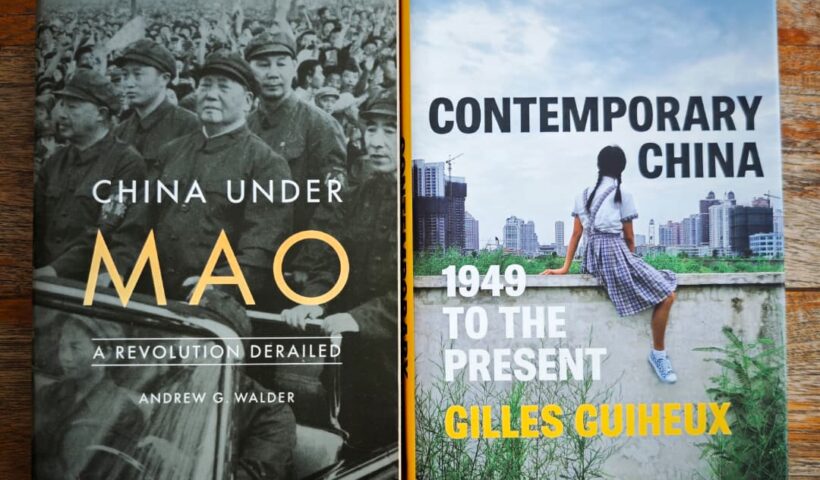
On 2 Sep 1945, Japan formally surrendered. China designated 3 Sep 1945 as “Victory Day” to commemorate its victory over Japan. This year, on 3…
View More From Mao to Modernity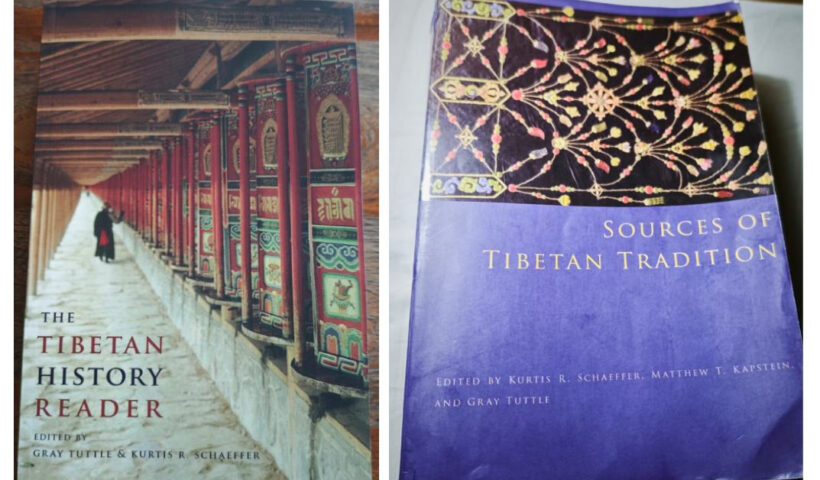
The Tibetan History Reader is an anthology of essays on Tibet. It complements Sources of Tibetan Tradition, which is a collection of 180 mainly Tibetan…
View More Tibet in Its Own Words
Why is a Chinese name wrongly transliterated in Hanyu Pinyin? A Chinese name is in three characters: surname and two characters for the given name.…
View More Two Characters, One Identity Lost
The Life of Xi Zhong Xun by Joseph Torigian (2025) is a very interesting biography of one of the key lieutenants of Mao. He also…
View More A Father’s Journey that Influenced a Nation
In March 1949, Mao left for Beiping, where last-minute peace negotiations were taking place between the Communists and the Nanjing regime. He told Zhou Enlai,…
View More Mao and the Dilemmas of Victory
In Dilemmas of Victory (hardcopy 2007), Chen Jian, who wrote the chapter The Chinese Communist ‘Liberation’ of Tibet, mentioned very briefly the role played by…
View More Zhao and the “Liberation” of Tibet
Beijing Record: A Physical and Political History of Planning Modern Beijing by Wang Jun (2003 Mandarin, 2011 English) is a mundane title used to hide…
View More Beijing Record