When Buddhism was spread to China, it was seen as an exotic religion. The Chinese, therefore, transformed Buddhism to suit Chinese ethical practices, especially the…
View More Kuan Yin/Guanyin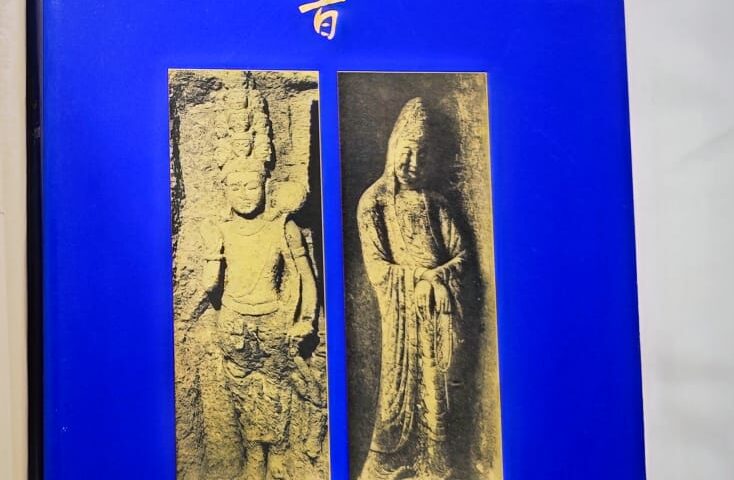
When Buddhism was spread to China, it was seen as an exotic religion. The Chinese, therefore, transformed Buddhism to suit Chinese ethical practices, especially the…
View More Kuan Yin/Guanyin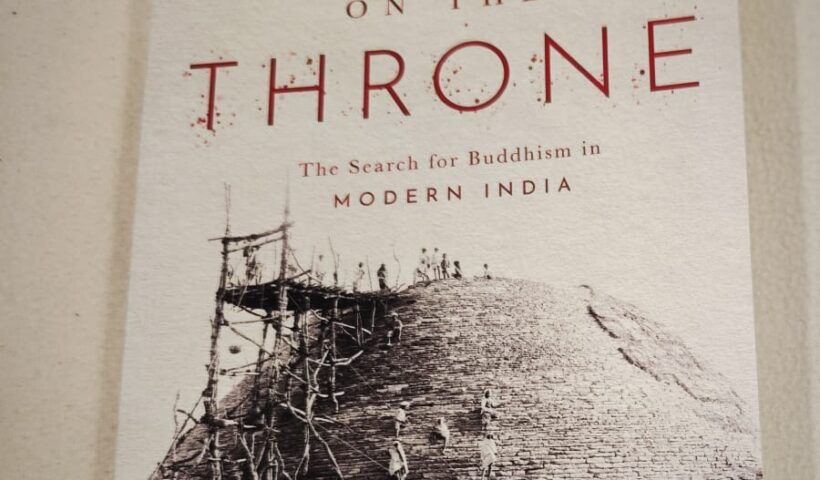
Dust on the Throne: The Search for Buddhism in Modern India (2023) by Douglas Ober, unfortunately, did not begin with an analysis of why Buddhism…
View More Dust on the Throne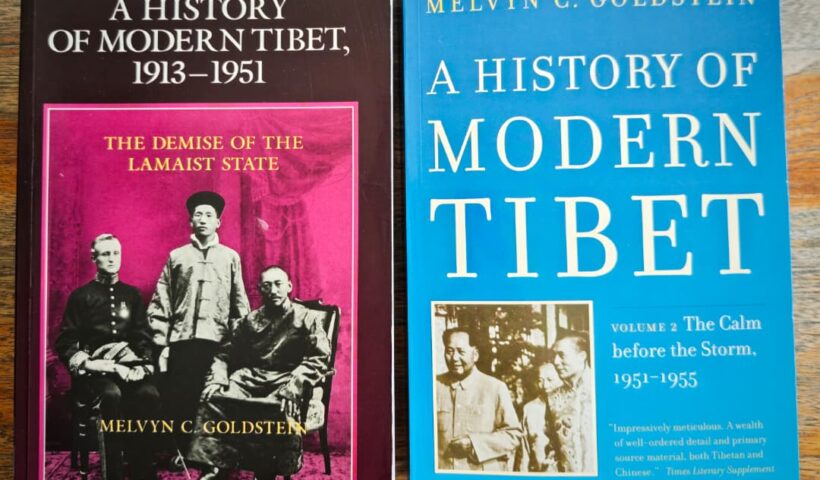
History of Modern Tibet (4 volumes) by Melvin C. Goldstein is considered the most authoritative and balanced history of modern Tibet. Goldstein uses both Chinese…
View More Reading Tibet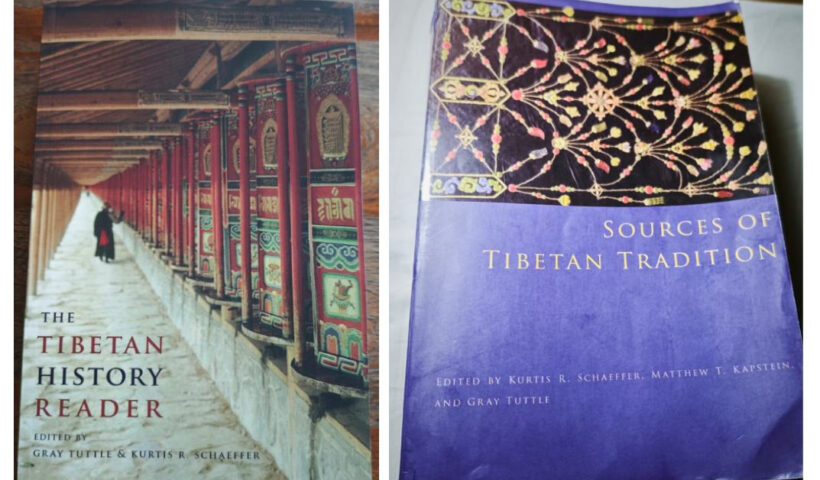
The Tibetan History Reader is an anthology of essays on Tibet. It complements Sources of Tibetan Tradition, which is a collection of 180 mainly Tibetan…
View More Tibet in Its Own Words
In Dilemmas of Victory (hardcopy 2007), Chen Jian, who wrote the chapter The Chinese Communist ‘Liberation’ of Tibet, mentioned very briefly the role played by…
View More Zhao and the “Liberation” of Tibet
The Dalai Lama and the Emperor of China: A Political History of the Tibetan Institution of Reincarnation (2015) by Peter Schwieger is a study of…
View More The Dalai Lama and the Emperor of China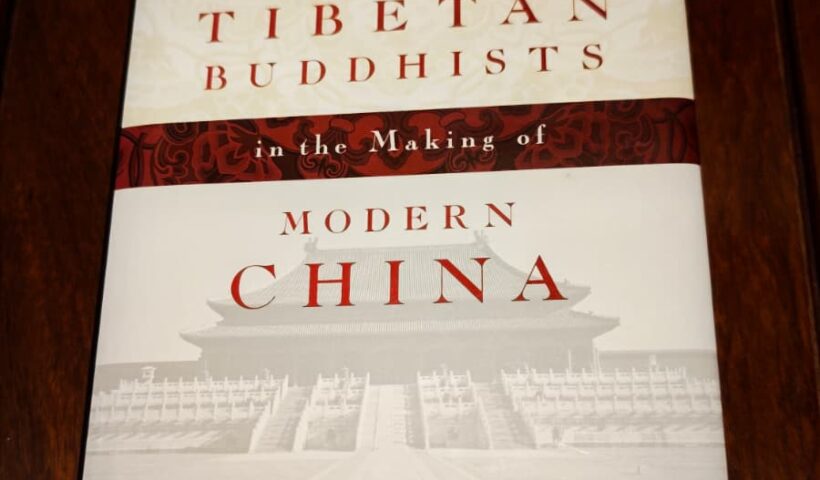
This book by Gray Tuttle (hardcover 2005), a professor of Tibetan studies at Columbia University, argues that the West has wrongly portrayed the relations between…
View More Tibetan Buddhists in the Making of Modern China – Part 1
Professor Max Oidtmann wrote his book after he discovered two copybooks originally kept by the Qing ambans stationed in Lhasa between 1875 and 1900. Amban…
View More The Golden Urn – Part 3
In this deeply researched book by Max Oidtmann, a German professor of Chinese history, we learn that the Golden Urn was used by the Qing…
View More The Golden Urn – Part 2
During and post-Mao Under Mao, all religions, including Buddhism, were regarded as “feudal superstitions.” After Mao died, Deng Xiaoping allowed the restoration of religious sites…
View More Buddhism in China – Part 2