The title is striking. It seizes your attention. “Embrace” means to take up readily or gladly, like “embrace a cause.” In the book “Embracing Defeat”…
View More Embracing Defeat
The title is striking. It seizes your attention. “Embrace” means to take up readily or gladly, like “embrace a cause.” In the book “Embracing Defeat”…
View More Embracing Defeat
Below is a note I sent on Christmas Day, 25 Dec 2011, to my lawyers from Mount Fuji, Japan, while on tour. Merry Christmas from…
View More Matsuo Basho and The Three Kingdoms
Emperor Hirohito’s surrender speech, delivered on August 15, 1945, over the radio, was in classical Japanese that was heavily influenced by classical Chinese, especially in…
View More China and Japan – Part 1
During and post-Mao Under Mao, all religions, including Buddhism, were regarded as “feudal superstitions.” After Mao died, Deng Xiaoping allowed the restoration of religious sites…
View More Buddhism in China – Part 2
Post-Western Encroachments Faced with the threat of the British and French taking territory by force, making China strong became a major concern of the Qing court…
View More Buddhism in China – Part 1
The origins of Majie The phenomenon of women in Kwangtung who chose not to marry and sailed to Malaya to work as amahs has its…
View More Majie – Part 4
The majie (as called in Nanyang) is a continuation of the Chinese women’s tradition of devotion to care and providing for her parents. The term…
View More Majie – Part 3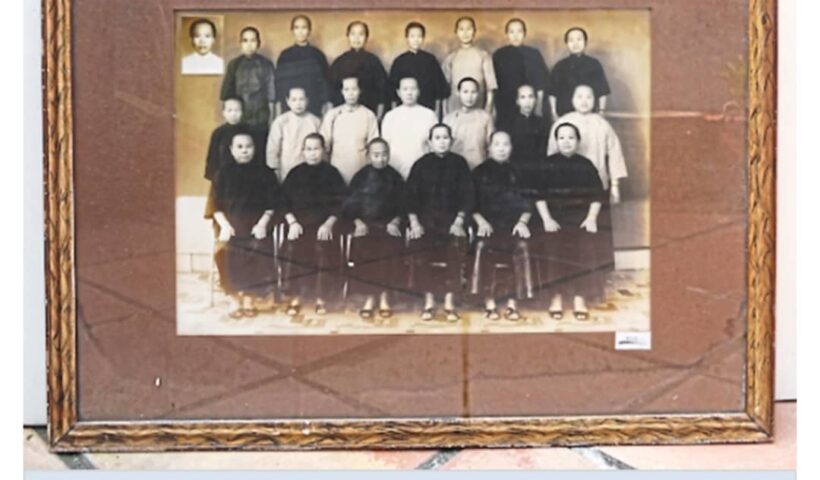
I recall a majie frequently visiting my maternal grandma when I was young in the 1970s. She would visit, I think, on Sundays. They met…
View More Majie – Part 2
Was Mao essential to the CCP’s victory over Chiang Kai-shek? The Long March was not a glorious trek to avoid encirclement by CKS as presented…
View More China under Mao – Part 2
Majie, in Cantonese, means “mother and sister.” The term refers to unmarried women who migrated from a small locale in Guangdong, China, to work as…
View More Majie – Part 1